What is the Principal Residence Exemption (PRE)?
February 4, 2025
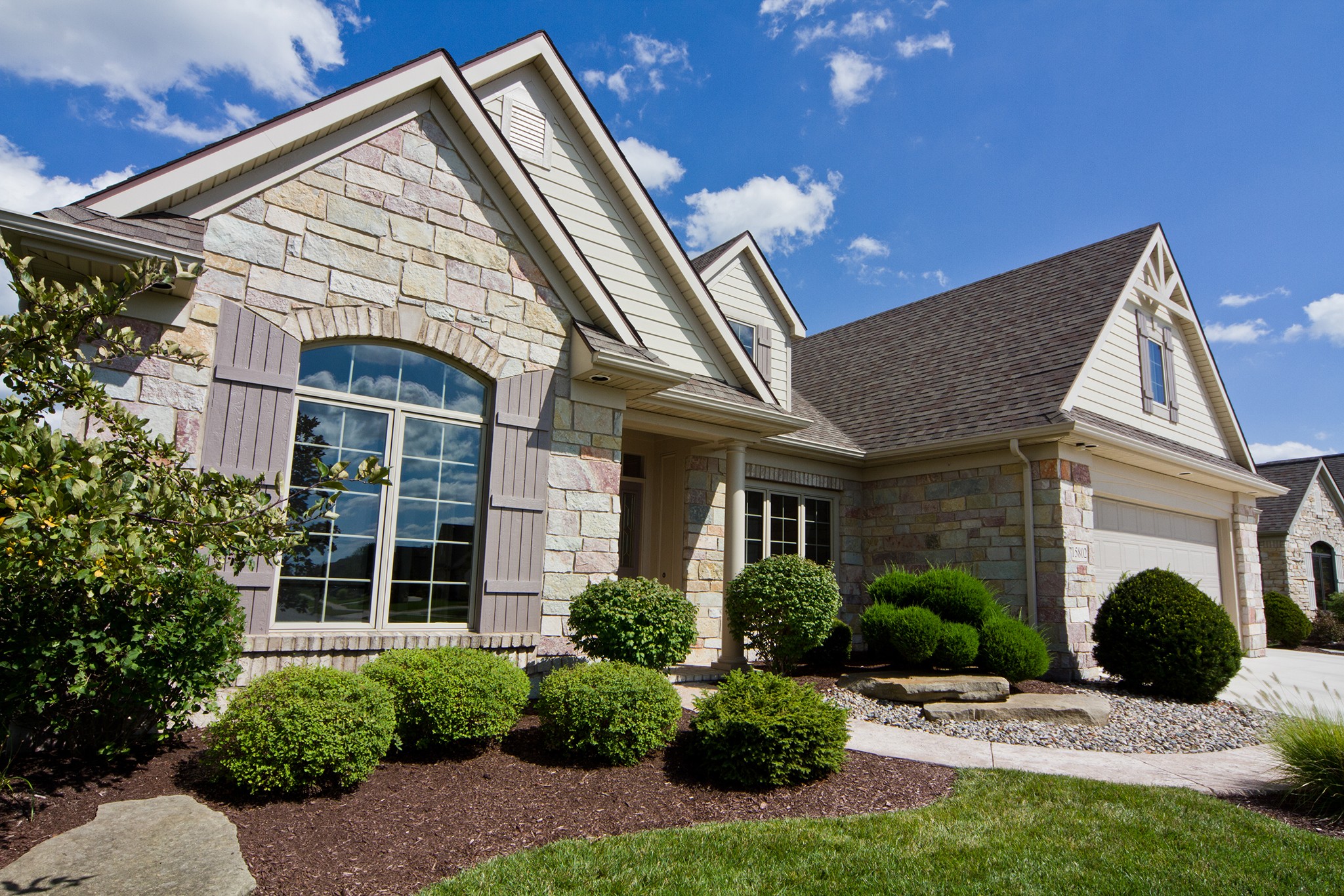
The purchase of a home is probably the largest investment a Canadian taxpayer will make. And when it comes time to sell that property, the words ‘capital gains’ should come to mind and can be very daunting. Fortunately, Canada’s tax system provides the Principal Residence Exemption which can be a significant tax break for homeowners if the property qualifies as their principal residence.
The Income Tax Act includes a provision for the Principal Residence Exemption which means that if you are selling a property that qualifies as a principal residence, you will not have to pay capital gains on the profit from the sale. It is important to note that, even though the sale is tax exempt, it is required that the sale of the property be declared on your income tax return for the year of sale and failure to do so can result in penalties.
You are able to designate one property per year as your principal residence. To qualify for the PRE, a property must meet four main conditions for the year(s) it is designated as a principal residence:
Ownership: You, your spouse or common-law partner, or a trust of which you or your spouse/partner is a beneficiary, must own the housing unit.
Occupancy: You, your current or former spouse or common-law partner, or any of your children must ordinarily inhabit the property during the year. This does not require continuous occupancy—the term is quite broad.
Type of Property: The property must be a housing unit, which includes a house, apartment, condominium, cottage, mobile home, or even a share of the capital stock of a co-operative housing corporation.
Land Use: The land on which the housing unit sits, including the land immediately adjacent, must not exceed one-half hectare (1.24 acres), unless you can demonstrate that the larger size is necessary for the use and enjoyment of the housing unit.
There are situations that can occur that will negate this exemption or add complexities to it. Things such as change of use to a rental (deemed disposition) or the property being a mixed use property for a home based business (there are specific rules to follow to continue to qualify for the PRE in this situation). There is even an option for those families that own more than one property (ie home and cottage) and splitting the exemption between the two on a year to year basis. Talk to a professional regarding your situation to confirm qualification!


